Ancestral (Coparcenary) vs. Self-Acquired Property in India
Before drafting a Will under the Hindu Succession Act, 1956 (which applies to Hindus, Buddhists, Jains, and Sikhs), every property in your estate must be classified into one of two legal buckets: Self-Acquired (Separate) Property or Ancestral (Mitakshara Coparcenary / HUF) Property.
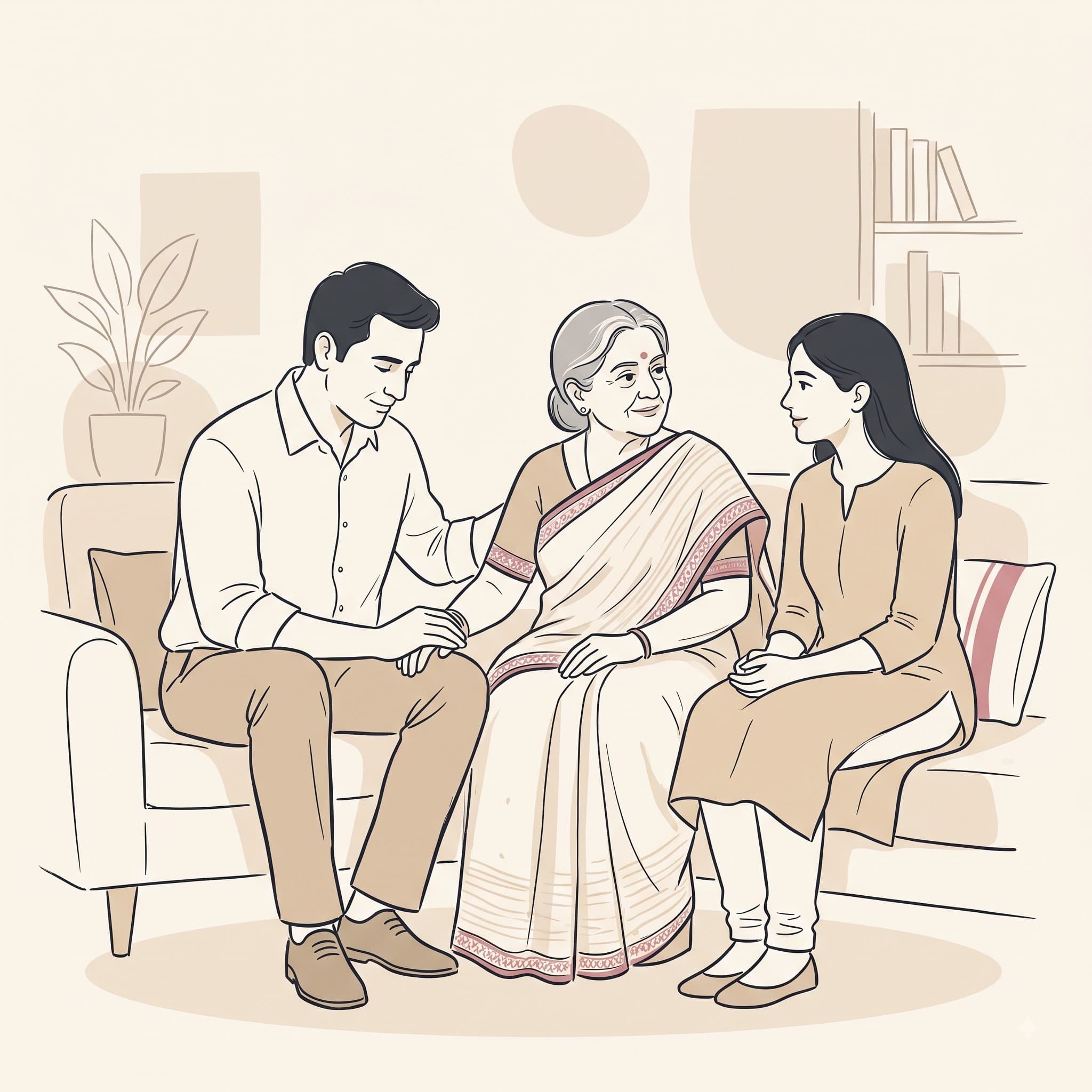
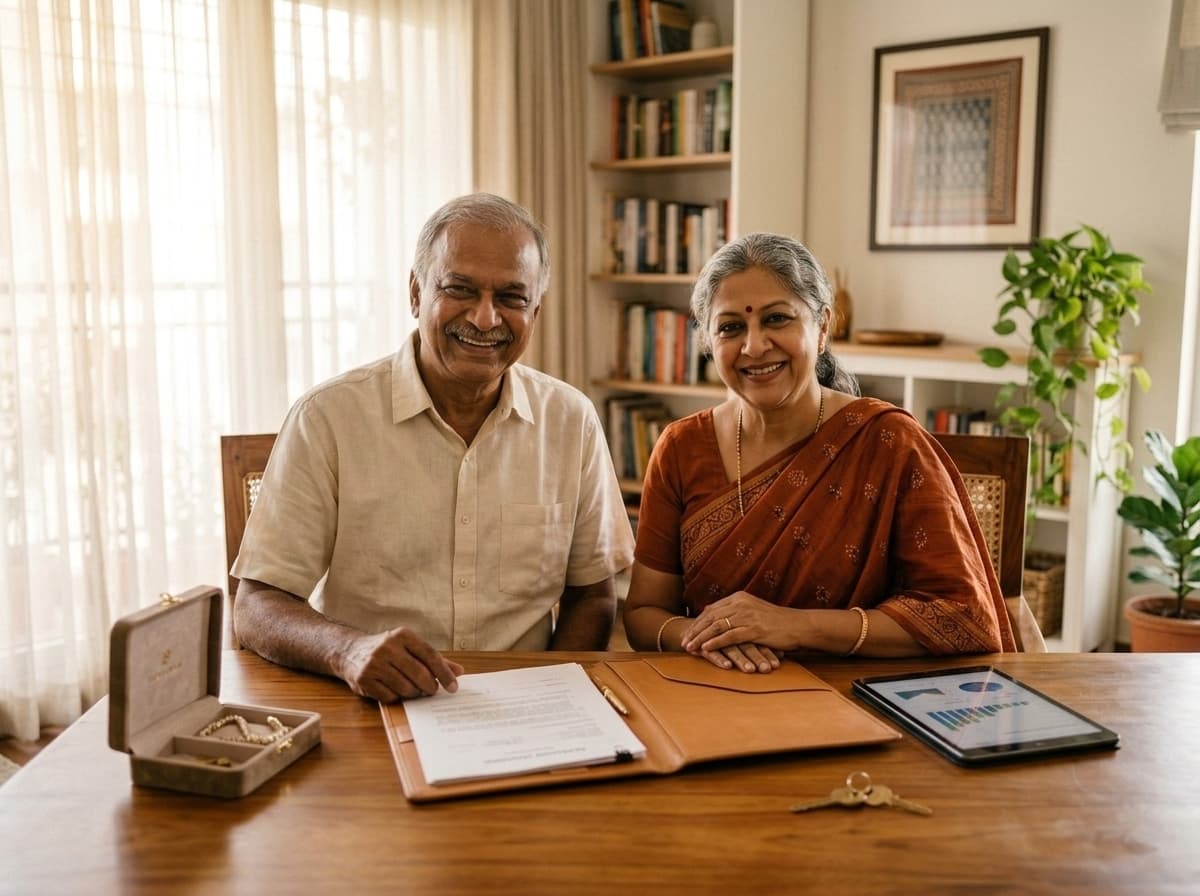
Self-acquired property includes any flat, plot, bank deposit, equity portfolio, or business purchased from your own earned income, as well as any property received by you through a Gift Deed, through a specific bequest in someone else's Will (unless explicitly gifted to an HUF), or inherited as a Class I legal heir under Section 8 of the Hindu Succession Act, 1956 after a partition. Over self-acquired property, your right to dispose by Will is absolute.
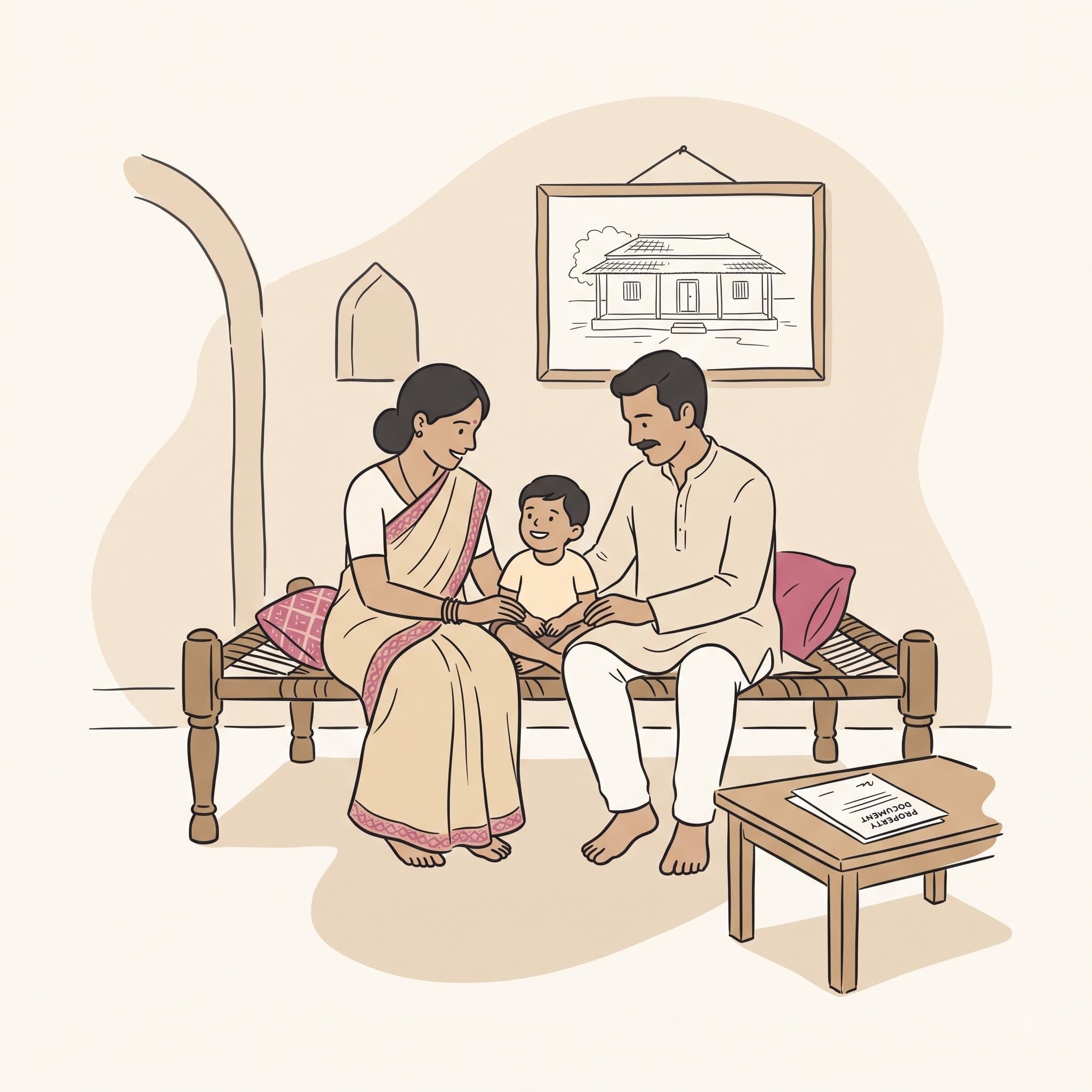
Ancestral property, by contrast, is property inherited up to four generations of male/coparcenary lineage (great-grandfather to grandfather to father to son/daughter) that has remained undivided without a formal partition or family settlement. Every coparcener acquires a vested legal right in ancestral property by birth itself.
“Under Section 30 of the Hindu Succession Act, 1956, a Hindu cannot Will away the entire ancestral house—but has the absolute statutory right to bequeath their own undivided fractional share in that ancestral property.”
Section 30 of the Hindu Succession Act: The Undivided Share Rule
Prior to 1956, classical Mitakshara law applied the doctrine of survivorship: when a coparcener died, his interest in joint family property automatically merged into the surviving coparceners, and he could not execute a Will for his share. Section 30 of the Hindu Succession Act, 1956 revolutionized Indian estate law by expressly enacting that any Hindu may dispose by Will of any property capable of being so disposed of by him—and the Explanation to Section 30 clarifies that 'the interest of a male Hindu in a Mitakshara coparcenary property, or the interest of a member of a tarwad, tavazhi, illom, kutumba or kavaru, shall be deemed to be property capable of being disposed of by him or by her'.
After the Hindu Succession (Amendment) Act, 2005 equalized daughters as coparceners under Section 6, both male and female coparceners can bequeath their undivided coparcenary share by Will. How is that share calculated? Under Section 6(3), the law assumes a 'notional (deemed) partition' of the coparcenary property immediately before the testator's death. For example, if a father, his wife, one son, and one daughter hold an undivided ancestral property, and a notional partition takes place in states where the wife also takes a share on partition between father and children, the father's fractional coparcenary share (e.g., 1/3rd or 1/4th depending on the school of Mitakshara law) is carved out and passes strictly to the beneficiary named in his Will.
Supreme Court Rulings: Vineeta Sharma & Arshnoor Singh
Two landmark Supreme Court of India judgments define modern Will drafting for Indian families:
1. Vineeta Sharma v. Rakesh Sharma (2020) 9 SCC 1: A three-judge Constitutional Bench of the Supreme Court settled that the 2005 Amendment to Section 6 confers coparcenary status on a daughter by birth in the same manner as a son—regardless of whether her father was alive on September 9, 2005 (unless a registered partition deed or court decree of partition had already been effected before December 20, 2004). Consequently, a father cannot treat a daughter as excluded from ancestral coparcenary property, and a daughter can equally Will away her own undivided coparcenary share under Section 30.
2. Arshnoor Singh v. Harpal Kaur (2019) & Uttam v. Saubhag Singh (2016): The Supreme Court clarified the crucial boundary between Mitakshara coparcenary property and property inherited under Section 8 of the Hindu Succession Act, 1956. Once a joint family property undergoes an actual partition, or when a Hindu inherits his father's self-acquired property intestate under Section 8 after 1956, that inherited share becomes the recipient's separate/individual property vis-à-vis his own sons and daughters—meaning he can Will 100% of it freely.
When Does Inherited Property Become Self-Acquired (Section 8)?
This is the most common point of confusion for homeowners in Delhi, Mumbai, Bengaluru, and Chennai. Many people think: 'I inherited this house from my father, so it is ancestral property.' That is legally incorrect if your father had purchased that house from his own earnings.
As the Supreme Court ruled in Commissioner of Wealth Tax v. Chander Sen (1986) and Yudhishter v. Ashok Kumar (1987), when a son or daughter inherits their father's self-acquired property under Section 8 of the Hindu Succession Act, 1956 (or receives it under the father's Will), they take it as their own separate, self-acquired property—not as ancestral coparcenary property with their own children. You have 100% freedom to bequeath such property in your Will.
How to Draft an Uncontestable Clause for HUF & Personal Assets
To prevent your Will from being challenged as partially void, never lump ancestral/HUF assets and self-acquired properties into a vague single paragraph. Your Will should schedule Self-Acquired Movable & Immovable Properties in Part A (specifying how title was acquired—by registered Sale Deed, Conveyance, Allotment Letter, or prior Will) and schedule your Undivided Coparcenary / HUF Interest in Part B with an explicit citation to Section 30 of the Hindu Succession Act, 1956.
Comparison: Self-Acquired vs. Ancestral Property in a Will
Statutory comparison under the Hindu Succession Act, 1956 (as amended in 2005) and Supreme Court precedent.
| Legal Parameter | Self-Acquired / Separate Property | Ancestral / Coparcenary (HUF) Property |
|---|---|---|
| How Title Is Acquired | Purchased from own income, received via Gift Deed, received under a Will, or inherited under Section 8 after 1956 | Inherited undivided through 4 generations of lineal ascendants without partition, or thrown into common HUF hotchpotch |
| Can It Be Willed? (Testamentary Limit) | Yes — 100% of the property can be bequeathed to any person or entity | Yes, partially — ONLY your undivided coparcenary share can be bequeathed under Section 30 |
| Birthright of Sons & Daughters | No birthright during the owner's lifetime | Equal birthright as coparceners under Section 6 (Vineeta Sharma, 2020) |
| Can Natural Heirs Be Excluded? | Yes — you can disinherit any Class I heir from your self-acquired estate with clear reasons | You can redirect ONLY your own fractional coparcenary share; other coparceners retain their birth shares |
What to do next
Check the title chain of every real estate asset: verify whether it was bought via a Sale Deed (self-acquired), inherited from a parent's self-acquired estate (separate property under Section 8), or held in an undivided HUF/coparcenary
Separate your Will's asset schedule into 'Self-Acquired Assets' and 'Undivided Share in Coparcenary / HUF Assets under Section 30'
Cite the specific registered Sale Deed, Partition Deed, or Mutation entry number for each property so no heir can falsely claim a self-acquired house is ancestral
Frequently Asked Statutory Questions
Can a father Will away ancestral property to only one son and exclude his daughter?
No. Under Section 6 of the Hindu Succession Act (as affirmed by the Supreme Court in Vineeta Sharma v. Rakesh Sharma, 2020), a daughter is a coparcener by birth and owns an equal independent share in ancestral property. However, under Section 30, the father can bequeath his own personal undivided share in that ancestral property to anyone he chooses.
If I inherited my father's self-acquired flat, is it ancestral property in my hands?
No. Under Section 8 of the Hindu Succession Act, 1956 and settled Supreme Court law (Chander Sen, 1986), a parent's self-acquired property inherited by a son or daughter after 1956 is treated as separate/self-acquired property in the hands of the son or daughter, and you can Will 100% of it freely.
What happens if a Will attempts to bequeath 100% of an ancestral property?
Courts apply the doctrine of severability under Section 30: the Will does not become completely invalid, but its legal effect is restricted strictly to the testator's own undivided coparcenary share determined via notional partition at the time of death.