What Is Probate Under the Indian Succession Act, 1925?
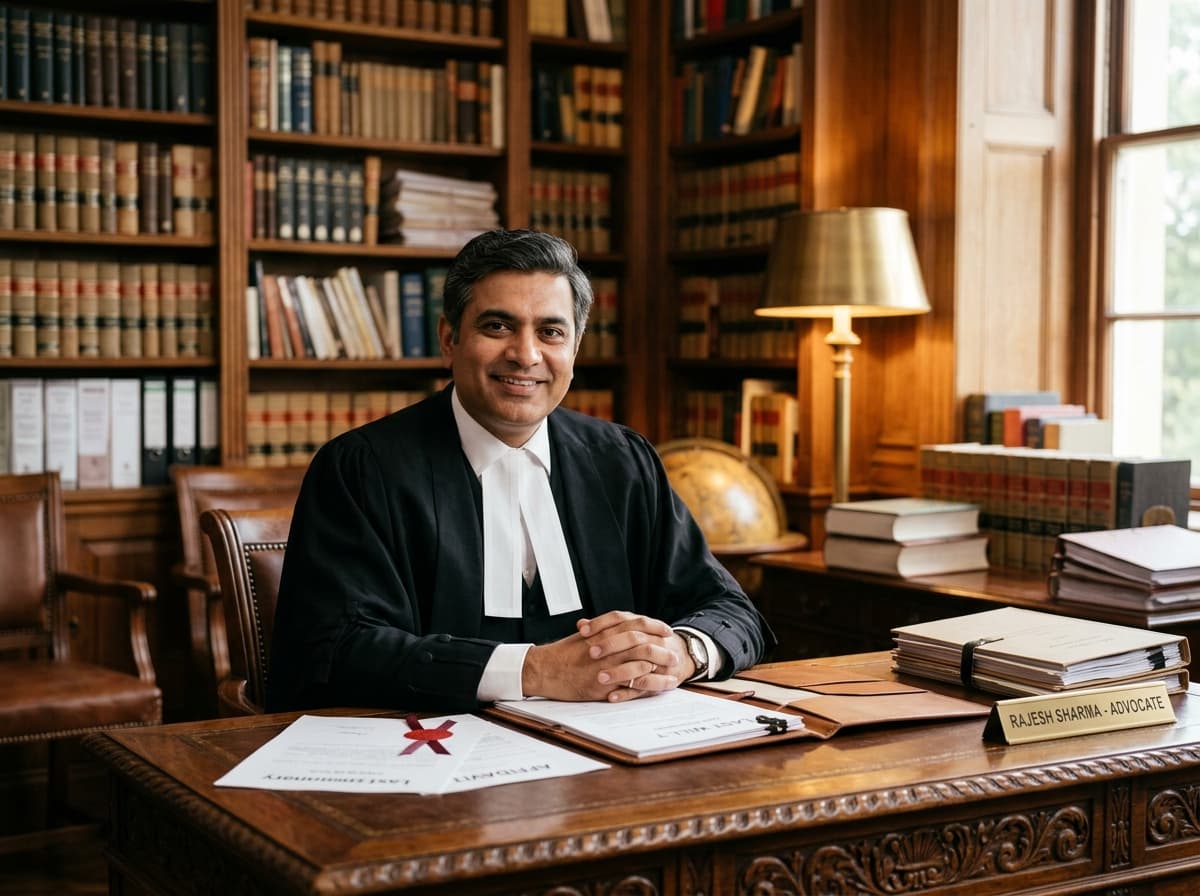
Defined under Section 2(f) of the Indian Succession Act, 1925, Probate is the official judicial certification by a competent court confirming that a Will was validly executed by the deceased testator in a sound disposing mind, is the testator's genuine last testament, and empowers the named Executor to administer and distribute the estate.
Crucially, under Section 222 of the Act, Probate can be granted only to an Executor appointed by the Will. If a Will does not name an Executor, the beneficiaries must instead petition the court for 'Letters of Administration with the Will Annexed' under Section 232—which is why naming a primary and alternate executor in your Will is critical.
Mumbai, Chennai & Kolkata: Section 213 vs. The 2025 Reform
For nearly a century, Section 213 read with Section 57 of the Indian Succession Act created a geographic divide: if a Hindu, Buddhist, Sikh, or Jain executed a Will in Delhi, Bangalore, Pune, Hyderabad, Ahmedabad, or Noida for property outside the former Presidency Towns, compulsory probate was NOT required. Yet if the Will was signed within—or covered a flat located in—Mumbai, Chennai, or Kolkata, no right as executor or legatee could be established in court without first obtaining High Court probate.
With the enactment of the Repealing and Amending Act, 2025 omitting Section 213 of the Indian Succession Act, Parliament dismantled this colonial geographic discrimination. Statutory rights under an uncontested Will can now be asserted uniformly across Indian cities without an automatic statutory bar under Section 213.
“While the 2025 omission of Section 213 removes the compulsory statutory bar in Mumbai, Chennai, and Kolkata, a cleanly drafted, properly attested Will remains your family's primary shield against anyone forcing the estate into contested probate litigation.”
4 Situations Where Probate Is Still Required in India
1. Contested Wills or Suspicious Circumstances: If any Class I legal heir challenges the Will alleging forgery, lack of mental capacity (Section 59), or undue influence (Section 61), the executor must prove the Will in solemn form before the court.
2. Foreign Wills Covering Indian Assets (Section 228): If an NRI leaves only a foreign Will without a separate Indian Will, Indian courts require ancillary certification under Section 228.
3. Cooperative Housing Societies & Municipal Mutation Policies: Many high-value cooperative housing societies in Mumbai and metro development authorities still request either a registered Will, no-objection affidavits from all Class I heirs, or probate when an unregistered Will disinherits a natural heir.
4. High-Value Financial Assets Without Matching Nominations: When bank deposits or securities lack a surviving nominee and exceed institutional indemnity thresholds, banks routinely demand Probate or a Succession Certificate.
How to Draft Your Will so Your Family Avoids Court Delays
Whether your property is in Mumbai, Delhi NCR, Bengaluru, Chennai, Hyderabad, or Kolkata, the way to spare your family 12 to 24 months of probate court fees and newspaper citations is proactive drafting: appoint a clear executor, ensure two independent adult witnesses sign properly under Section 63, align your bank/Demat nominations with your Will, and—where family friction is possible—attach a doctor's medical fitness certificate or register the Will at the local Sub-Registrar office.
What to do next
Always name a primary Executor and an alternate Executor in your Will (required under Section 222)
Ensure two independent witnesses who are NOT beneficiaries attest every page of your Will
If disinheriting a natural Class I heir, clearly state the objective reason in the Will and obtain a doctor's fitness certificate on the date of signing
Frequently Asked Statutory Questions
Can probate be granted if no Executor is named in the Will?
Under Section 222 of the Indian Succession Act, 1925, Probate can only be granted to an Executor appointed by the Will. If no Executor is named, the legatee must apply for Letters of Administration with the Will Annexed under Section 232.
Did the Repealing and Amending Act, 2025 abolish probate completely?
No. It omitted Section 213, which previously made probate compulsory in Mumbai, Chennai, and Kolkata even for uncontested Wills. Voluntary probate and contested probate proceedings under the remaining provisions of the Indian Succession Act continue to exist.